Exploring Printing Techniques For Diverse Packaging Applications

Packaging production requires printing methods that can deliver attractive graphics, dependable consistency, and compatibility with different materials. Two established approaches, flexographic and offset printing, provide valuable capabilities for different packaging requirements. Understanding how each process works can help manufacturers align printing technology with substrates, designs, production volumes, and finishing needs.

Understanding Flexographic Printing

Flexographic printing uses flexible relief plates to transfer fast-drying ink directly onto a substrate. This approach supports continuous production and works effectively with a broad selection of packaging materials, including films, foils, labels, corrugated board, and paper-based substrates. Modern improvements in plate technology and ink control have also enhanced image clarity and color consistency.

For businesses exploring https://www.ketegroup.com/flexo-printing-vs-offset-printing/, the comparison becomes especially useful when packaging applications require efficient web-based production and versatile material handling.

Key advantages of flexographic printing include:

  • Efficient continuous-roll production
  • Compatibility with varied packaging substrates
  • Rapid ink drying for streamlined workflows
  • Strong support for inline finishing processes
  • Consistent color reproduction across longer runs
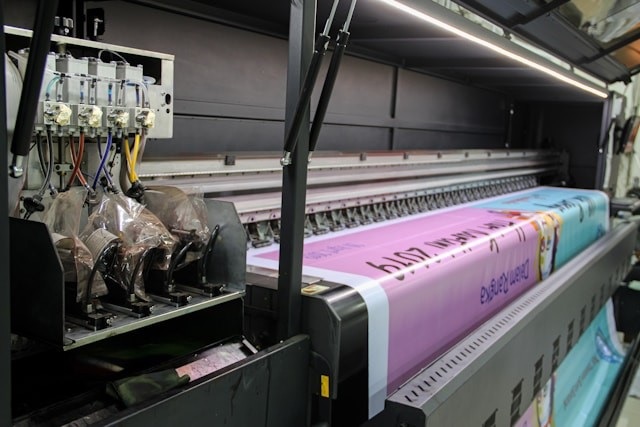
Exploring Offset Printing

Offset printing uses a flat plate and an intermediate rubber blanket to transfer the image onto the printing surface. The indirect process is particularly well suited to smooth, flat materials and can produce highly detailed images, refined gradients, and precise typography. This makes it valuable for packaging projects where visual presentation and intricate artwork are important.

Offset technology can support premium paper packaging, folding cartons, catalogs, and other applications that benefit from excellent image detail. Its established workflow also provides flexibility for projects involving frequent design changes and varied print requirements.

Matching Technology With Packaging Needs

Choosing between these methods depends on several practical production factors. Rather than viewing one process as universally suitable, packaging teams can consider how each method complements their specific objectives.

Important considerations include:

  • Substrate: Flexography accommodates flexible and uneven materials, while offset performs strongly on smooth, flat surfaces.
  • Production volume: Continuous flexographic systems can efficiently support substantial production runs.
  • Image detail: Offset offers highly refined reproduction for intricate artwork and detailed imagery.
  • Finishing: Flexographic workflows can integrate several converting operations into continuous production.
  • Design requirements: Offset provides useful flexibility for projects involving multiple detailed designs.

Supporting Efficient Packaging Production

Both printing techniques continue to contribute to modern packaging production. Flexography offers material versatility, continuous operation, and opportunities for integrated finishing, while offset provides detailed reproduction and dependable results on suitable substrates. Advances in equipment, plates, inks, and process control continue to strengthen the capabilities of both methods.

By evaluating material type, artwork complexity, production volume, finishing requirements, and workflow objectives, manufacturers can select a printing approach that supports efficient production and attractive packaging results. This practical comparison encourages better alignment between printing technology and the diverse demands of modern packaging applications.
Understanding Dock Block Components for Reliable Floating Dock Construction

A well-designed floating dock depends on more than its visible deck surface. The smaller structural components underneath and between sections play an important role in creating a dependable, flexible, and long-lasting installation. Understanding how dock blocks, connectors, flotation elements, and fastening points work together can make planning and assembly more efficient.

Core Dock Block Components

Dock blocks form an important part of modular floating construction by helping create a buoyant and adaptable platform. Their arrangement should support balanced weight distribution while allowing the overall structure to respond naturally to changing water movement.

Key components commonly include:

  • Floating blocks: Provide buoyancy and help keep the platform supported above the water.
  • Connecting pins: Join individual sections and help maintain alignment.
  • Couplers: Create secure connections while allowing controlled flexibility between sections.
  • Fastening hardware: Helps keep structural elements firmly assembled.
  • Deck surfaces: Provide a practical walking area and contribute to overall usability.
  • Anchoring components: Help maintain the dock’s intended position while permitting vertical movement.

Why Proper Connections Matter

Connection points are essential because a floating structure needs both strength and flexibility. Unlike a rigid platform, a floating dock can benefit from connections that accommodate controlled movement rather than resisting every wave force.

When planning a system, consider:

  • Secure alignment between adjoining blocks
  • Even distribution of structural loads
  • Flexible movement at connection points
  • Appropriate fastening strength
  • Easy access for inspection
  • Expandability for future modifications

Information about modular dock blocks can also help during planning, particularly when reviewing https://www.hiseadock.com/dock-block/ as a reference for understanding component arrangements and construction concepts.

Supporting Buoyancy And Balance

Flotation is another fundamental consideration. Properly selected and distributed floating elements help maintain consistent support across the platform. The required buoyancy depends on the dock’s dimensions, structural weight, and expected loads.

Helpful planning points include:

  • Match flotation capacity with expected loads.
  • Position support elements evenly beneath the structure.
  • Consider the weight of decking and accessories.
  • Maintain balanced distribution across connected sections.
  • Allow sufficient reserve buoyancy for practical use.

Building For Flexibility

One major advantage of modular construction is adaptability. Individual sections can be arranged into different layouts, expanded when needed, or adjusted as requirements change. Flexible connectors can also help distribute movement throughout the structure rather than concentrating stress at one joint.

Important benefits include:

  • Straightforward modular arrangement
  • Convenient section connection
  • Flexible configuration options
  • Efficient installation planning
  • Easier future expansion
  • Practical component inspection

Creating A Reliable Installation

Understanding each dock block component makes it easier to create a cohesive floating structure. When buoyancy, connections, decking, and anchoring are selected as parts of one coordinated system, the finished installation can provide dependable support, useful flexibility, and lasting functionality.

Regularly checking connection points, flotation elements, and fastening hardware can further support consistent performance. A thoughtful component-based approach ultimately helps create a floating dock that is stable, adaptable, and ready for enjoyable everyday use.

Paper Cup Sizes for Events Cafes and Takeaway Drinks

Selecting suitable paper cup sizes helps create a smooth beverage service while giving customers convenient portions for different occasions. Events may need smaller cups for sampling and refreshments, while cafes often require several capacities for regular drink orders. Takeaway services can also benefit from practical sizes that provide comfortable handling, enough space for toppings, and room for safe sipping. Understanding capacity, dimensions, and beverage style makes cup selection more organized, flexible, and practical for busy service periods. A useful reference for comparing capacities is https://www.yoonpak.com/paper-cup-size-guide-for-businesses/.

Matching Sizes With Event Service

Events often serve a broad range of beverages, so having multiple cup capacities can make distribution simple. Smaller options work well for tastings, welcome drinks, and sample servings, while medium sizes provide comfortable portions for everyday refreshments.

  • Small cups suit tasting portions and short servings.
  • Medium cups support coffee, tea, and similar beverages.
  • Larger cups accommodate iced drinks and generous refreshments.
  • Consistent sizing helps staff organize service stations.
  • Different capacities allow guests to choose comfortable portions.

Creating Flexible Cafe Beverage Options

Cafes can use a balanced selection of paper cup sizes to match beverage recipes and customer preferences. Smaller cups can complement concentrated drinks, while medium and large capacities offer room for milk, foam, ice, and other additions.

  • Compact sizes support espresso-style servings.
  • Medium cups work well for coffee and tea.
  • Larger sizes provide flexibility for chilled beverages.
  • Matching lids with compatible rim dimensions simplifies service.
  • A practical size range can make inventory easier to manage.

Supporting Convenient Takeaway Drinks

Takeaway beverages need cups that feel comfortable to carry while providing enough capacity for the intended drink. Cup height, base width, rim diameter, and wall construction can all contribute to a pleasant experience during transport and consumption.

  • Stable shapes can make carrying more comfortable.
  • Suitable rim sizes support secure lid fitting.
  • Larger cold drink cups can accommodate ice and toppings.
  • Insulated constructions can support comfortable handling of hot beverages.
  • Nestable designs can help organize storage efficiently.

Planning Sizes for Efficient Service

Thoughtful sizing can simplify preparation across events, cafes, and takeaway counters. Instead of choosing many capacities without a clear purpose, businesses can identify their most common beverages and select sizes that support consistent portions, convenient accessories, and efficient storage.

  • Review the beverage menu before selecting cup capacities.
  • Group drinks that can share compatible lids.
  • Keep frequently used sizes readily accessible.
  • Consider storage space when planning inventory.
  • Use consistent portions to support smooth preparation.

Paper cup sizes can make beverage service more adaptable when selected according to the occasion and drink type. Events can benefit from varied portions, cafes can build flexible menus, and takeaway counters can provide convenient choices for customers. By considering capacity, shape, lid compatibility, and storage needs together, beverage service becomes easier to organize and more consistent. A thoughtful size range also supports efficient preparation while creating a comfortable experience from the first pour to the final sip.

Digital Innovations Building Highly Organized Distribution Facilities

Modern smart warehouses are becoming highly organized environments where digital systems connect inventory, storage, movement, and order fulfillment. Technologies such as warehouse management systems, sensors, automation, robotics, and data analytics help facilities create better visibility and smoother workflows. These tools can support real-time inventory tracking, efficient storage decisions, and faster distribution processes.

Connected Systems Improve Warehouse Organization

A smart warehouse brings multiple operational activities together through connected digital infrastructure. This approach creates a clearer flow of information from receiving to dispatch while helping teams coordinate daily activities more effectively. Resources such as https://www.zhsunyco.com/smart-warehouse-implementation-guide/ can also provide useful perspectives on organizing smart warehouse implementation.

Key advantages include:

  • Real-time visibility into inventory locations
  • Faster identification of stored products
  • Better coordination between warehouse activities
  • More accurate stock information
  • Organized workflows across receiving and shipping
  • Improved use of available storage space

Automation Creates Smoother Material Movement

Automation can transform how products move throughout a distribution facility. Automated storage and retrieval systems, conveyors, guided vehicles, and robotic equipment can support repetitive material-handling activities while maintaining consistent workflows. This creates a structured environment where products can move efficiently between different operational stages.

Smart automation can support:

  • Efficient product placement
  • Faster picking and retrieval
  • Consistent movement between zones
  • Organized order consolidation
  • Smooth transfer toward shipping areas

Data Analytics Supports Better Decisions

Digital facilities can collect operational information from sensors, identification systems, and warehouse software. This information can help teams understand inventory movement, storage utilization, equipment activity, and order patterns. Data-driven visibility allows warehouse managers to make informed adjustments and maintain organized processes.

Useful capabilities include:

  • Monitoring inventory activity
  • Understanding storage utilization
  • Supporting demand forecasting
  • Identifying opportunities for process improvement
  • Tracking equipment performance
  • Strengthening operational planning

Smart Inventory Management Enhances Accuracy

Inventory accuracy is an important part of an organized distribution facility. Digital identification technologies, including barcode and RFID solutions, can improve the way products are recorded and tracked. Automated inventory platforms can continuously update stock information, helping teams maintain a clearer understanding of available goods.

This creates a more reliable foundation for:

  • Stock replenishment
  • Order preparation
  • Product location management
  • Cycle counting
  • Shipping coordination

Intelligent Facilities Support Future Growth

Digital innovation also gives distribution facilities greater flexibility as operational requirements evolve. Connected systems can help organizations expand automation, improve workflows, and introduce new capabilities progressively. With better visibility, organized processes, and intelligent technology working together, smart warehouses can create efficient environments prepared for increasing distribution demands.

Protein Powder Packaging Trends Shaping Modern Manufacturing Processes

Protein powder packaging is becoming an important part of efficient manufacturing, combining product protection, production consistency, convenience, and material efficiency. Modern packaging approaches help manufacturers create reliable workflows while supporting attractive, practical, and durable package formats. Strong moisture and oxygen barriers remain important because protein powders can be sensitive to environmental exposure and may develop clumping when moisture enters the package.

Growing Use Of Flexible Packaging

Flexible packaging is gaining attention because it can provide practical performance while using space efficiently.

  • Lightweight structures support easier handling.
  • Stand-up pouches provide convenient storage.
  • Flat-bottom bags offer stability during filling and transportation.
  • Resealable closures support repeated product access.
  • Flexible formats can reduce unnecessary packaging volume.

Stronger Barrier Protection

Protein Powder Packaging

Packaging manufacturers are increasingly focusing on barrier performance to help maintain product quality throughout production, storage, and distribution.

  • Moisture-resistant layers help limit humidity exposure.
  • Oxygen barriers support product freshness.
  • Light protection can help preserve sensitive formulations.
  • Reliable sealing helps maintain package integrity.
  • Durable structures improve resistance during handling.

Manufacturers can review packaging guidance and technical considerations, including https://www.levapack.com/packaging-guideline-for-protein-powder/, when developing packaging approaches suited to protein powder production.

Sustainable Material Development

Sustainability is becoming a valuable direction in modern packaging development, with growing interest in material-efficient and recyclable structures.

  • Mono-material structures can support simplified material streams.
  • Lightweight designs can reduce material consumption.
  • Efficient package dimensions can improve storage utilization.
  • Recyclability-focused designs encourage responsible material selection.
  • Optimized packaging can support resource-conscious manufacturing.

Smarter Production Efficiency

Packaging trends are also supporting smoother manufacturing operations by improving compatibility between package design and production requirements.

  • Consistent pouch dimensions can simplify filling.
  • Strong seals support dependable production results.
  • Automated filling compatibility improves workflow continuity.
  • Standardized packaging formats can simplify material handling.
  • Precise package sizing supports efficient product utilization.

Convenient Consumer Focus

Modern packaging development increasingly considers how easily customers can open, use, store, and reseal protein powder.

  • Wide openings can make scooping easier.
  • Resealable zippers help maintain freshness after opening.
  • Portion-sized formats support convenient consumption.
  • Stable bases improve storage convenience.
  • Clear labeling areas improve product information visibility.

Improved Quality And Presentation

Packaging design can combine functional performance with a clean and appealing appearance, helping products maintain a consistent presentation.

  • Smooth surfaces support attractive printing.
  • Durable outer layers improve handling resistance.
  • Consistent dimensions create organized product presentation.
  • Practical closures improve everyday usability.
  • Purposeful designs can strengthen perceived product quality.

Future Ready Packaging Practices

Protein powder packaging trends are moving toward solutions that balance protection, convenience, sustainability, and manufacturing efficiency. High-barrier structures, flexible formats, optimized material use, resealable features, and production-friendly designs can help manufacturers build dependable packaging processes.

By combining thoughtful package engineering with efficient production planning, manufacturers can support consistent quality, smoother operations, convenient usage, and positive product presentation while adapting confidently to evolving packaging expectations.

Enjoy A Cleaner Look Across Your Furniture

Furniture plays an important role in creating a welcoming and comfortable interior. Clean sofas, chairs, tables, and other furnishings can instantly make a room feel brighter, fresher, and more inviting. Regular cleaning care helps maintain the attractive appearance of different furniture pieces while allowing their colors, textures, and finishes to stand out beautifully. Professional furniture care can make this process even more effective by using suitable techniques for different materials.

For dependable upholstery expertise and furniture care, https://www.pos-sg.com/ POS Service group provides services covering upholstered furniture, wooden furniture, and additional household surfaces.

Simple Benefits Of Regular Furniture Cleaning

Consistent cleaning does more than refresh the visible surface. It supports the overall presentation of your interiors and creates a more enjoyable environment for everyday living.

  • Enhances visual appeal: Clean furniture looks polished, fresh, and well maintained.
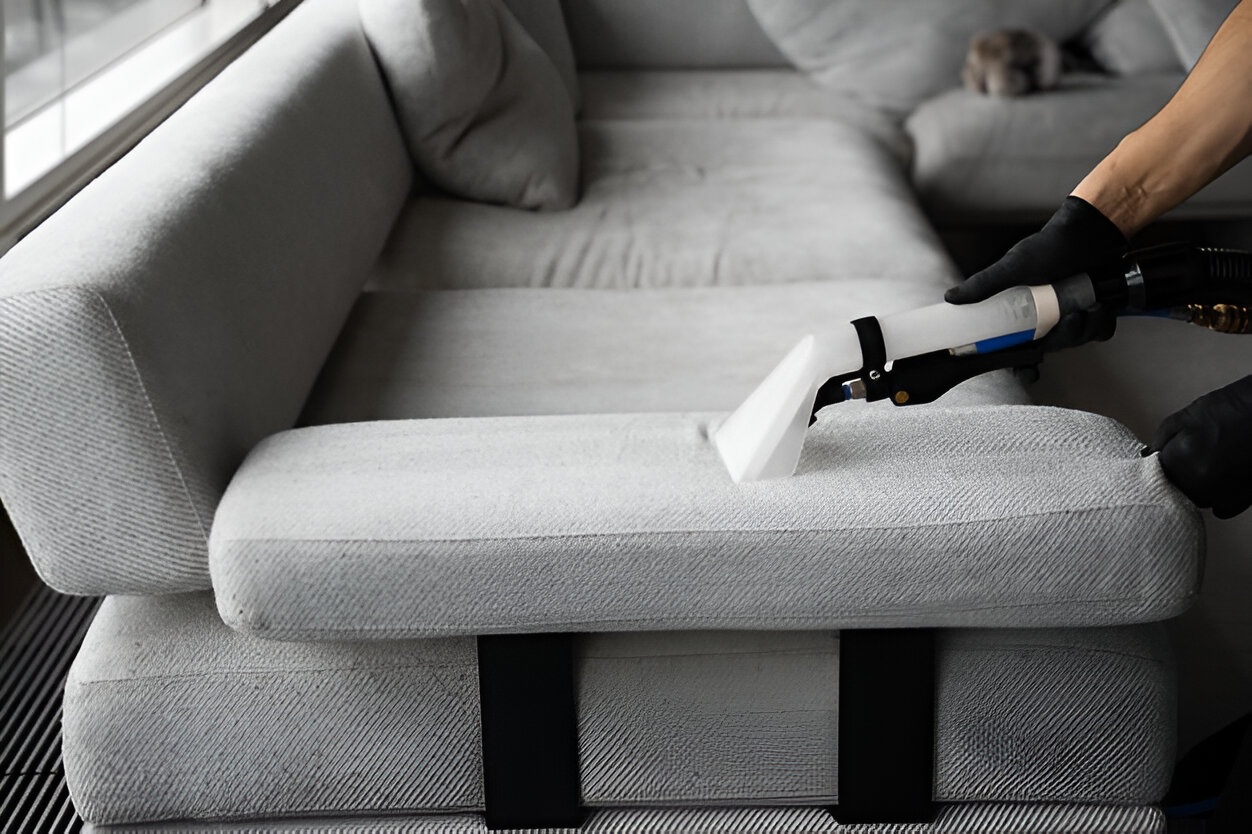
  • Refreshes upholstery: Appropriate cleaning can revive the appearance of sofas, armchairs, and other upholstered pieces.
  • Highlights natural finishes: Proper care allows wooden furniture to display its beautiful texture and finish.
  • Creates a welcoming atmosphere: Fresh furnishings contribute to a comfortable and inviting room.
  • Supports long-term care: Regular attention helps furniture remain attractive as part of a consistent maintenance routine.

Professional Care For Different Furniture Types

Every furniture material has its own characteristics, which makes suitable cleaning methods important. Upholstery, wood, and other surfaces can benefit from carefully selected treatments that respect their individual finishes. Professional technicians can assess furniture and apply suitable service methods to achieve a refreshed appearance.

This approach also makes furniture care convenient. Instead of treating every piece in the same way, professional service can focus on the specific requirements of each item. From sofas and armchairs to wooden furniture and office furnishings, thoughtful care can help maintain a consistent and attractive look throughout a property.

Make Furniture Care Part Of Your Routine

A cleaner furniture collection can transform the overall impression of a room without changing its existing style. Simple maintenance habits, combined with professional cleaning when needed, can help furnishings remain bright, comfortable, and visually appealing.

Consider these positive habits:

  • Vacuum upholstered surfaces regularly to keep them fresh.
  • Follow appropriate care recommendations for each material.
  • Address everyday marks promptly with suitable cleaning methods.
  • Schedule professional attention when furniture needs deeper care.
  • Keep wooden surfaces clean and maintained to preserve their finish.

Enjoy A Fresh And Inviting Interior

Clean furniture adds comfort, character, and visual harmony to any space. With consistent attention and suitable professional care, sofas, chairs, tables, and other furnishings can continue looking attractive and welcoming. A thoughtful cleaning routine is a simple way to celebrate the furniture you already enjoy while creating a fresher and more polished interior every day.